What is a healthy diet during the COVID-19 pandemic?
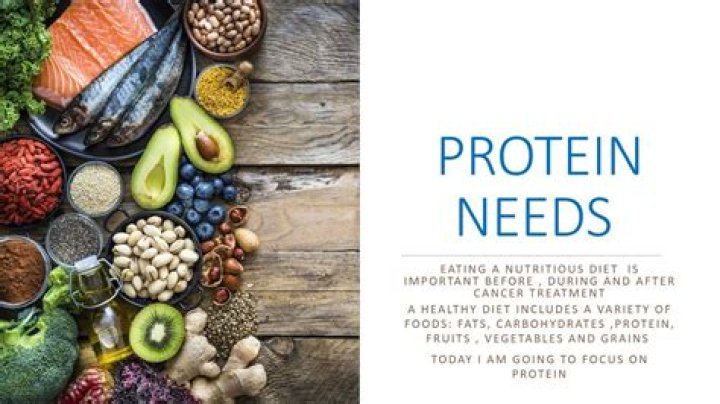
• Every day, eat a mix of wholegrains like wheat, maize and rice, legumes like lentils and beans, plenty of fresh fruit and vegetables , with some foods from animal sources (e.g. meat, fish, eggs and milk).• Choose wholegrain foods like unprocessed maize, millet, oats, wheat and brown rice when you can; they are rich in valuable fibre and can help you feel full for longer.• For snacks, choose raw vegetables, fresh fruit, and unsalted nuts.
Is sugar ok to consume during isolation?
Limit your sugar intake WHO recommends that ideally less than 5% of total energy intake for adults should come from free sugars (about 6 teaspoons). If you crave something sweet, fresh fruit should always be the priority.
Can I get COVID-19 from eating fresh foods, like fruits and vegetables?
There is currently no evidence that people can catch COVID-19 from food, including fruits and vegetables. Fresh fruits and vegetables are part of a healthy diet and their consumption should be encouraged.
Why is healthy eating important for the immune system, especially during the COVID-19 pandemic?
While no foods or dietary supplements can prevent or cure COVID-19 infection, healthy diets are important for supporting immune systems. Good nutrition can also reduce the likelihood of developing other health problems, including obesity, heart disease, diabetes and some types of cancer.
Is it good to buy frozen fruits and vegetables to eat during the COVID-19 pandemic?
All frozen fruits such as berries, pineapple and mango are great options, as they still contain high levels of fibre and vitamins and are often less expensive than the fresh versions. These frozen fruits can be added to juices, smoothies or porridge or eaten with low-fat plain yogurt after defrosting.Frozen vegetables are nutritious, quick to prepare, and consuming them can help reach the recommendations, even when fresh foods are scarce.
How to limit sugar intake during the COVID-19 quarantine?
WHO recommends that ideally less than 5% of total energy intake for adults should come from free sugars (about 6 teaspoons). If you crave something sweet, fresh fruit should always be the priority. Frozen fruits, canned fruits in juice rather than syrup, and dried fruits with no added sugar are also good options.
Can COVID-19 spread through food?
There is no evidence that COVID-19 can be spread through contact with food or food packaging. COVID-19 is generally thought to be spread from person to person. However, it’s always important to practice good hygiene when handling food to prevent any food-borne illnesses.